


GO BACK
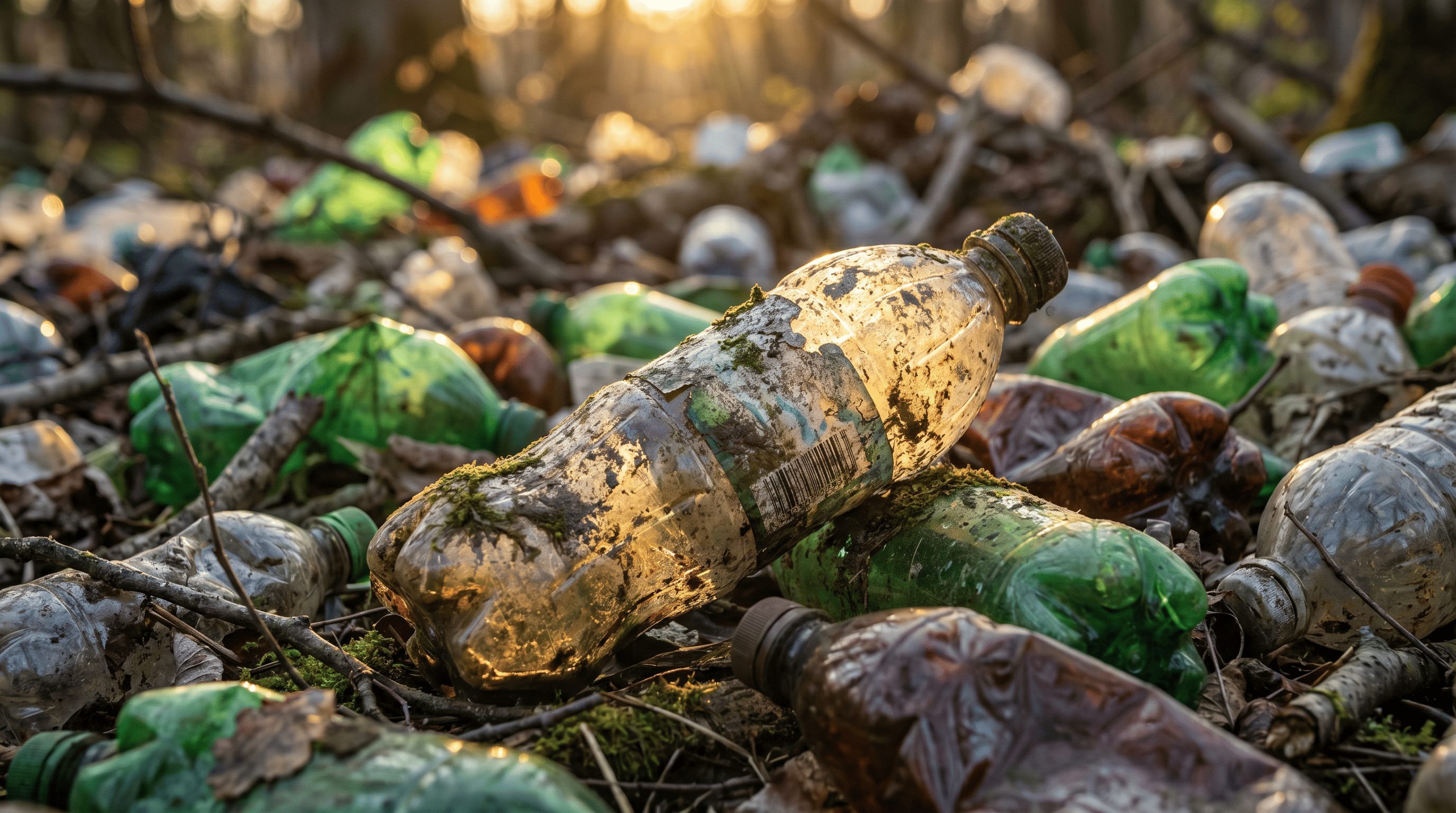
Polluting the Environment with Plastic
Big Soda uses an enormous amount of plastic to bottle its beverages. The manufacturing, transportation and disposal of plastic bottles generates a large carbon footprint; billions of bottles that are not recycled end up in incinerators, landfills or polluting our environment and waterways. Here are some key facts:
- According to an analysis of global plastic pollution, Coca-Cola is the leading plastic polluter followed by PepsiCo, Nestlé, Danone and Altria.
- Approximately 21-34 billion plastic bottles from nonalcoholic drinks are polluting the ocean every year. The bottles are primarily from carbonated soft drinks and water.
- Despite commitments to increase the volume of beverages sold in reusable packaging, both Coca-Cola and PepsiCo increased their use of plastic packaging in 2022. Coca-Cola increased its plastic packaging by more than 6% or 206,000 metric tons to 3.43 million metric tons of annual plastic packaging and PepsiCo increased its plastic packaging by 4% or 100,000 metric tons to 2.6 million metric tons. If this trend continues, a total of 8 billion pounds of Coca-Cola’s plastic packaging—equivalent to 190 billion bottles—could pollute oceans and waterways between 2024 and 2030.
- If Coca-Cola meets its reusable commitment, it could eliminate the cumulative equivalent of more than 100 billion 500 ml single-use plastic bottles and prevent up to 14.7 billion plastic bottles from entering our waterways and seas by 2030. However, as of December 2024, Coca-Cola’s revised 2030 environmental goals no longer include reaching the target of 25% reusable beverage packaging, and PepsiCo reduced its reusable plastic packaging targets in 2025, highlighting the lack of accountability and enforcement for voluntary environmental goals.